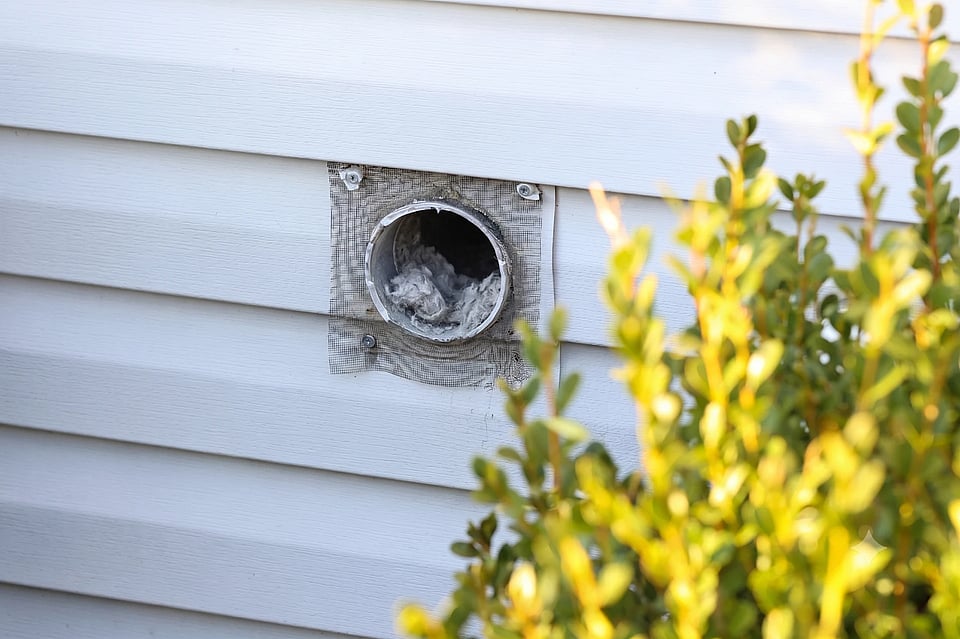
Dryer Vent Cleaning
Keep your dryer running safer and more efficiently with expert dryer vent cleaning services from Chimney Doctors. We serve Albany, Saratoga, Schenectady, Clifton Park, Amsterdam, and all areas surrounding.
CSIA Master Sweep Certified
Firefighter-Owned & Operated
Warrior Horse Supporter
Serving the Capital District
Like chimney sweepings, regular dryer vent cleanings are crucial for improved safety and efficiency. Over time, lint and debris accumulate, creating significant risks that many homeowners overlook.
Lint buildup restricts airflow, forcing your dryer to work harder and increasing energy consumption. More critically, it poses a serious fire hazard and could trigger gas leaks. Professional cleaning eliminates these blockages, ensuring your dryer operates better - extending its lifespan and preventing potential disasters.
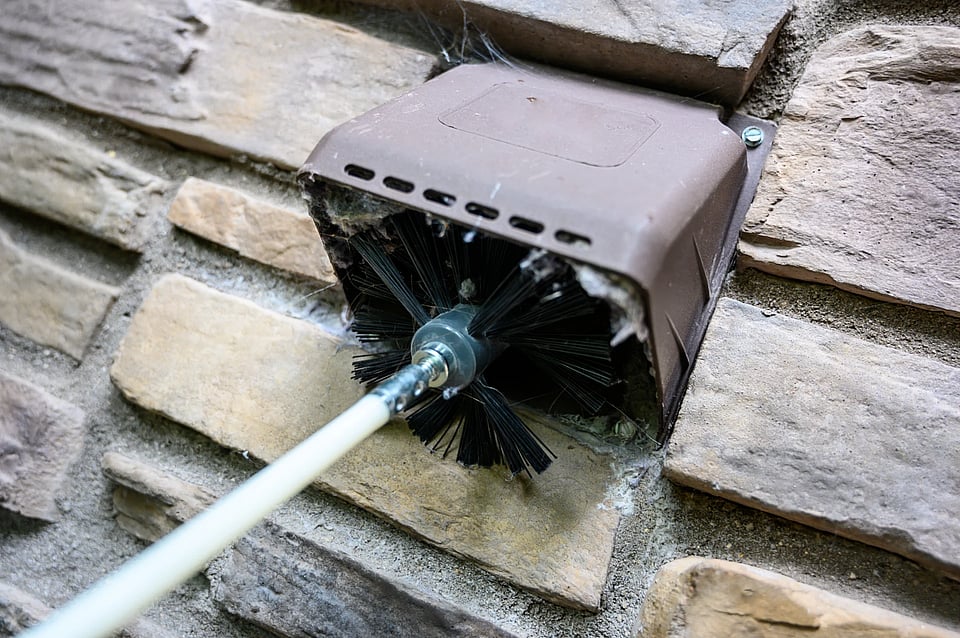
For most households, an annual dryer vent cleaning is sufficient to maintain safety and efficiency. However, several factors can influence how often you should schedule professional cleanings.
If you notice your clothes taking longer to dry, your dryer feeling hot to the touch, or a burning smell, it's time for a cleaning regardless of your last service date. Regular maintenance prevents lint buildup, reduces fire risk, and extends the life of your appliance.
Frequency of Use
Homes with daily dryer use (large families, multiple loads) may need cleaning every 6-9 months.
Pet Owners
Pet hair significantly increases lint production, warranting more frequent cleanings.
Dryer Vent Length & Configuration
Longer or more complex vent systems accumulate lint faster and require more attention.
Type of Laundry
Drying items like blankets, towels, and rugs produces more lint than regular clothing.
25+
Years serving the Capital District
A+
BBB rating - maintained since founding
CSIA
Master Chimney Sweep Certified
1999
Family-owned ever since our founding
Everything you need to know to keep your dryer safer and more efficient.
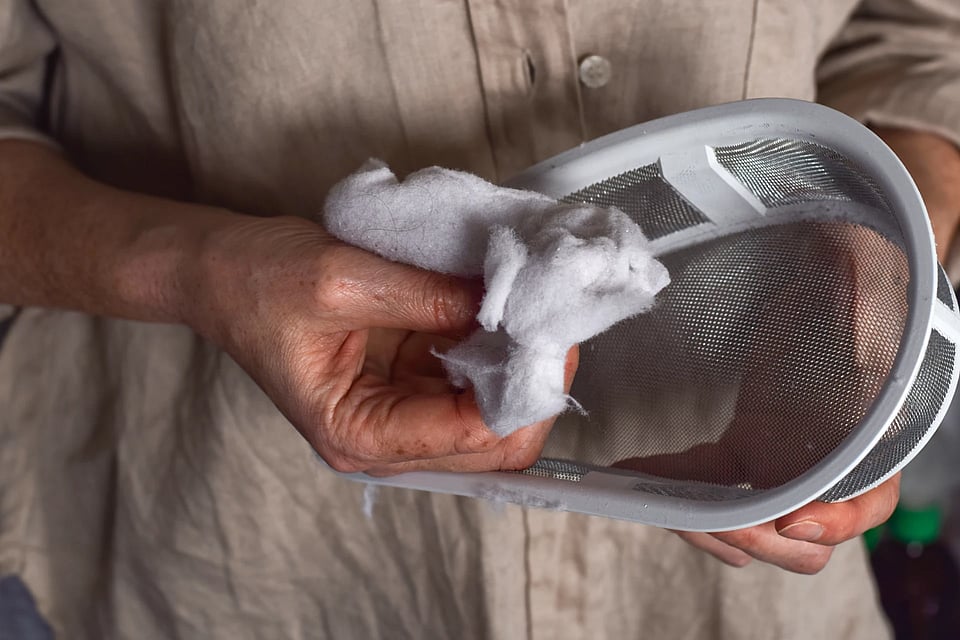
You should clean your dryer's lint trap after every single load of laundry - no exceptions. Each time you run a load, your dryer pulls air through the lint trap to remove moisture from your clothes. As it does, tiny fibers shed from your fabrics and accumulate on the lint screen. Even after just one cycle, a surprising amount of lint can build up, and if left unchecked, the consequences can be serious.
From a performance standpoint, a clogged lint trap restricts the airflow your dryer depends on to function properly. When airflow is reduced, moisture cannot escape efficiently, meaning your clothes take much longer to dry. This forces your dryer to run additional cycles or extended drying times, which directly translates to higher energy bills and unnecessary wear and tear on the appliance's motor, heating element, and drum bearings.
Over time, this strain can significantly shorten the lifespan of your machine and lead to costly repairs or premature replacement.
In addition to cleaning the trap after every load, every few months gently wash your lint trap with soapy water, then let it fully air dry before putting back inside of your dryer. This ensures any stuck particles are fully removed.
A clogged dryer vent often gives clear warning signs - the key is knowing what to look for. Common indicators include:
If you're noticing one or more of these signs, don't delay - contact us immediately for a professional inspection.
While a DIY vent brush kit from the hardware store might seem like a cost-effective solution, there are significant limitations compared to what a trained professional can accomplish. Here's how they compare:
Professional cleaning ensures the entire system - from the dryer connection all the way to the exterior termination - is fully cleared, inspected, and confirmed safe.
When a dryer vent becomes clogged, it restricts the airflow needed to safely carry heat and moisture out of your home. This creates a dangerous chain reaction that significantly increases the risk of a house fire. Here's exactly what happens:
On gas dryers, a clogged vent doesn't just increase fire risk - it can also cause deadly carbon monoxide to back up into your living space instead of venting safely outside.
The good news is that this risk is almost entirely preventable. Regular professional dryer vent cleaning removes lint buildup before it becomes a hazard.
Trusted by families across the Capital District
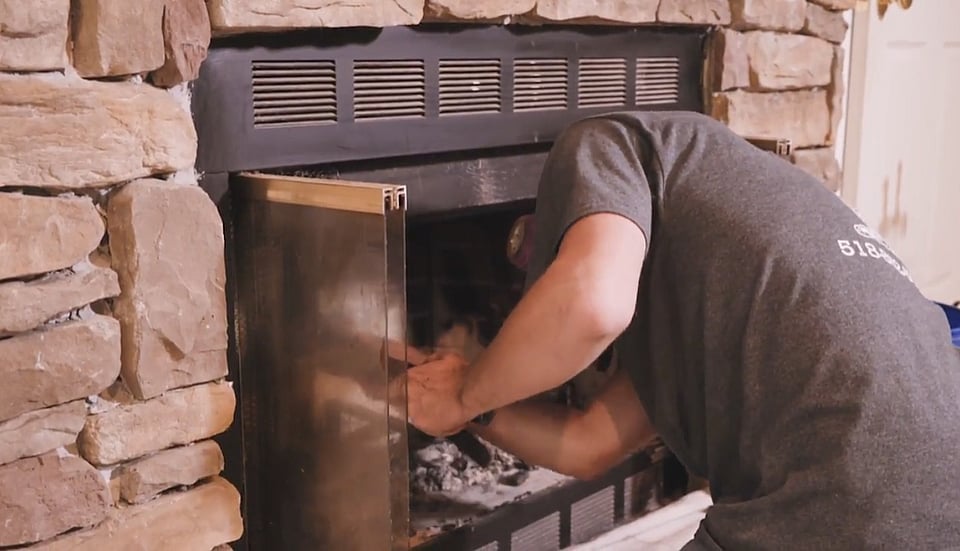
We have over 25 years of expertise, hold the industry's top credentials, and maintain high values with a team that treats your home like their own.
Tom Giroux holds the industry's highest certification – fewer than 1% of sweeps nationwide achieve this level.
Every inspection follows the same rigor and safety standards that Tom applied on the job as a firefighter.
We handle major structural rebuilds in-house. No subcontractors, no referrals, no gaps.
See exactly what we see. We walk you through every finding so you understand what needs attention and why.
Recognized and highly rated by the Better Business Bureau, for our consistent, honest service.
CSIA
Certified Chimney Sweep
CSIA MASTER
Chimney Sweep

NCSG
Member

NYSCSG
President & Members
Chimney Doctors serves communities throughout the Capital District and towns surrounding. If you're not sure if we travel to your area, give us a call.
We proudly serve Albany, Saratoga Springs, Schenectady, Troy, Clifton Park, Ballston Spa, Glens Falls, Amsterdam, Gloversville, Johnstown, and surrounding Capital District communities.
Practical guidance to help you make informed decisions about your home.

Many chimneys fail to meet minimum height requirements. Learn what the 3-2-10 rule means and how to make sure your chimney is up to code.
Read More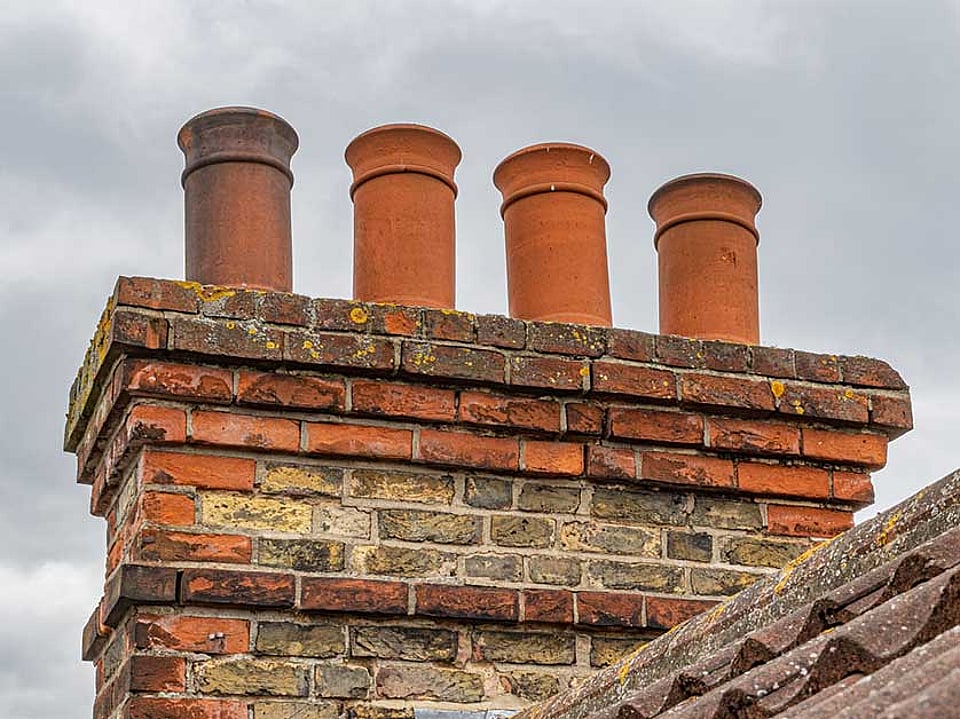
Learn about chimney pots, their purpose, types and maintenance — and how they keep fireplaces burning efficiently.
Read More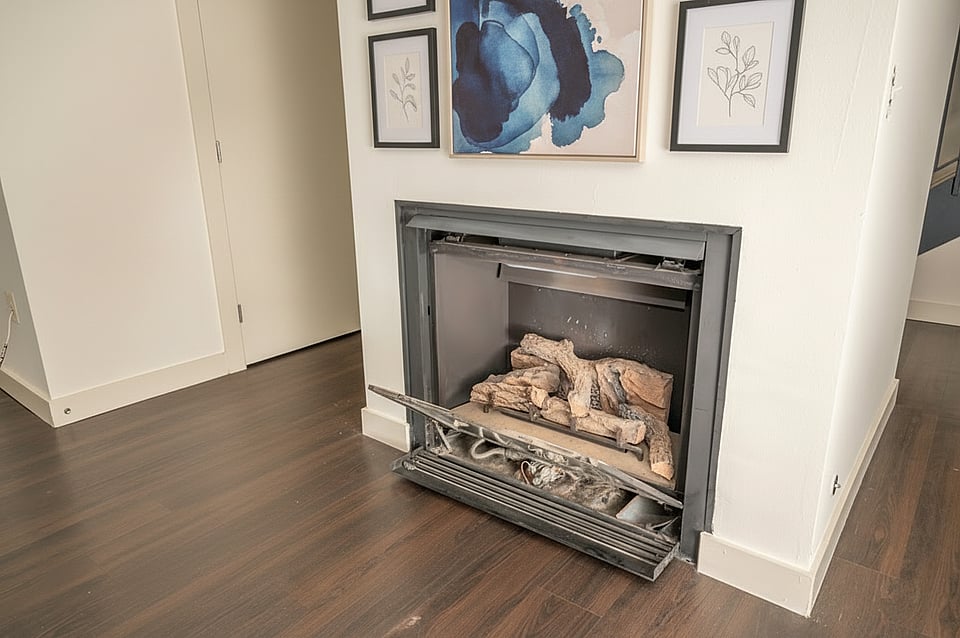
Strange odors, no pilot light, hazy glass or hissing noises — know the warning signs to keep your gas fireplace safe.
Read More
Is your dryer vent due for a cleaning? Schedule your professional dryer vent cleaning today to keep your home safer and your appliances running more efficiently.
Did you know we also offer gutter cleaning in addition to our venting and chimney services?