Chimney Sweeping
We're here to ensure your family and home in Albany, Schenectady, Clifton Park, Amsterdam, Balston Spa, and surrounding communities stay safer with our expert creosote removal and annual chimney maintenance services. Schedule your chimney sweeping service with our certified experts today.
CSIA Master Sweep Certified
Firefighter-Owned & Operated
Warrior Horse Supporter
Serving the Capital District
A professional chimney sweeping addresses several critical safety, efficiency, and structural issues within your fireplace and chimney system before they get worse.
Obstructions, cracked flue liners, foul odors, and deteriorating mortar joints can all occur when chimney sweeping services are neglected and damaging creosote builds up. Left unaddressed, creosote hardens, flue cracks expand, and a simple sweeping becomes a costly relining job. Regular inspections catch these problems early.
Unlike basic services that only brush the flue, Chimney Doctors perform a systematic sweep of the entire venting system. Our process covers every critical component from top to bottom:
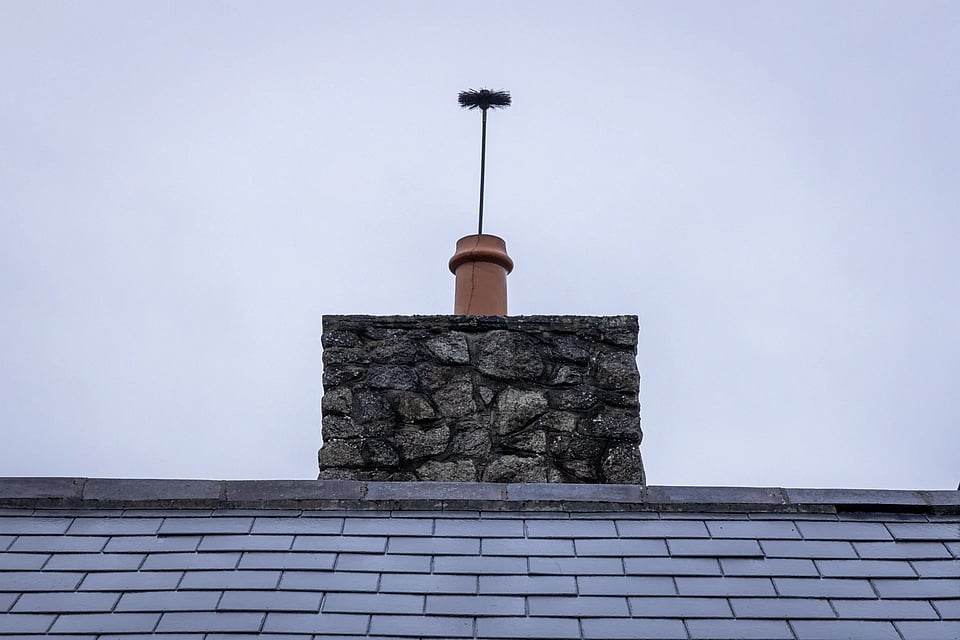
Removing debris and blockages at the exit point.
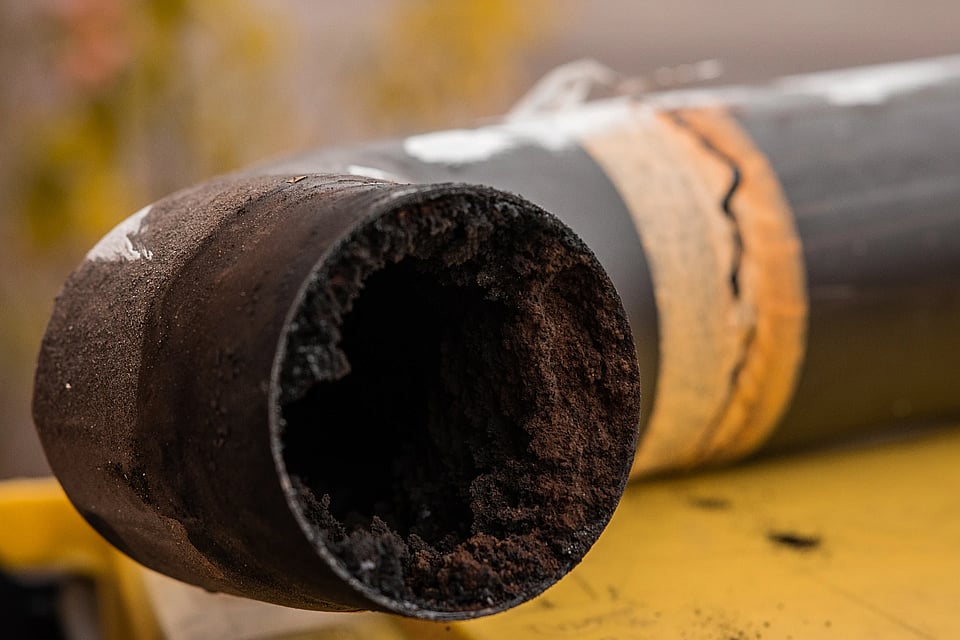
Scraping away dangerous creosote buildup.
Cleaning the hidden area where soot collects and causes odors.
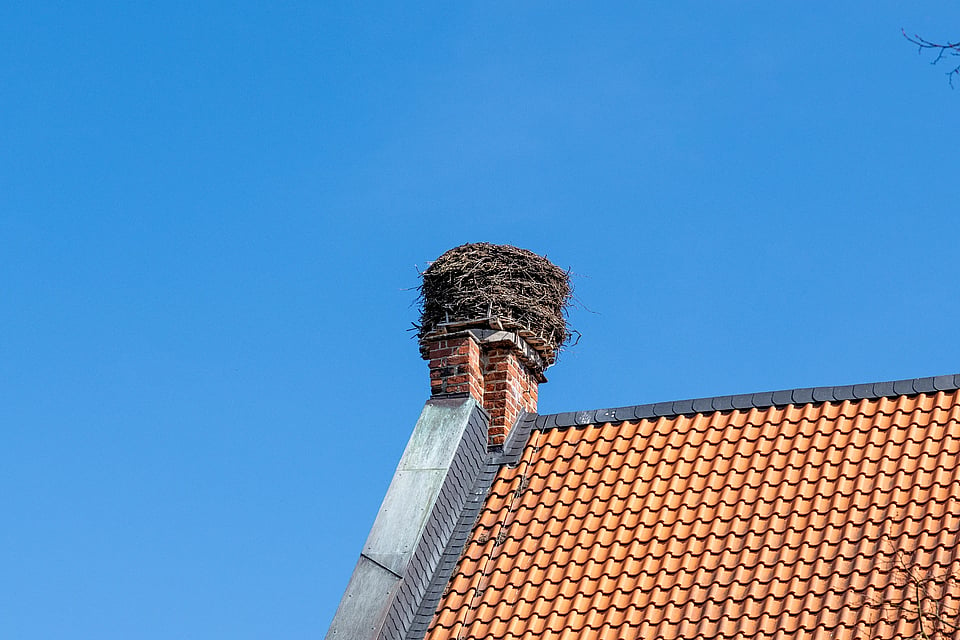
Making sure nothing is building up or nesting.
Ensuring the mechanical parts are functioning correctly.
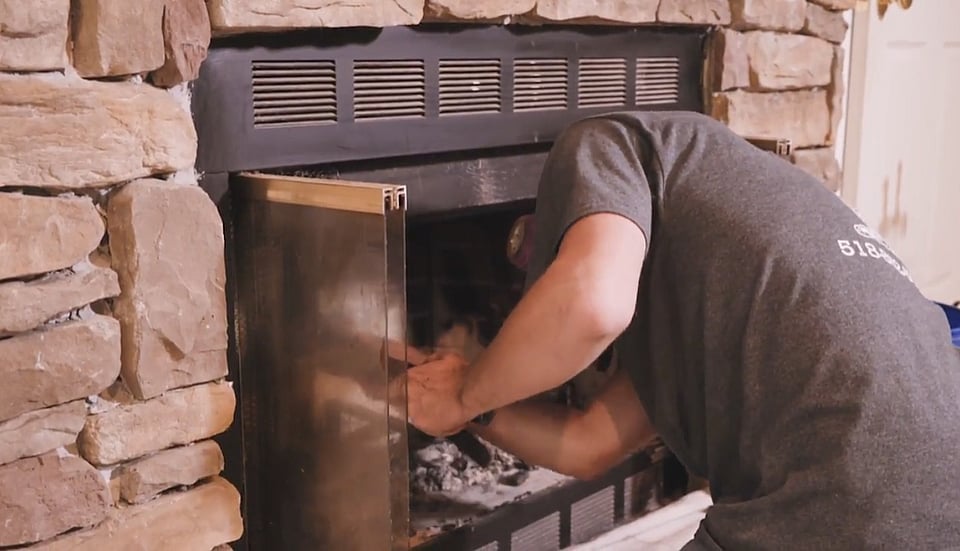
Checking that the main burning area is clear and operational.
Creosote is a highly flammable tar-like residue that forms inside your chimney when wood burns – and it's the leading cause of chimney fires.
As smoke rises through a cooler flue, unburned particles and gases condense onto the chimney walls, building up over time into creosote. It comes in three stages: light and flaky, sticky and tar-like, or hard and glazed. All three are combustible, and once ignited, creosote can burn at over 2,000°F – hot enough to crack flue liners, damage masonry, and spread fire into your home. Regular sweeping removes this buildup before it becomes a serious hazard.
Creosote can cause chimney fires.
Removing flammable creosote eliminates the fuel source that can ignite at over 2,000°F inside your flue.
Creosote can cause smoke and gas backup.
A blocked flue is more likely to send carbon monoxide, smoke, and other hazardous fumes back into your home.
Creosote can damage your liner.
Creosote-caused chimney fires crack and warp flue liners - routine removal prevents costly relining.
Creosote can obstruct draft and airflow.
A creosote-free chimney lets smoke and combustion gases vent freely instead of backing into your home.
Creosote puts your home at risk.
Less creosote means lower risk of fire, smoke damage, and carbon monoxide exposure.
25+
Years serving the Capital District
A+
BBB rating - maintained since founding
CSIA
Master Chimney Sweep Certified
1999
Family-owned ever since our founding
Everything you need to know before scheduling your inspection.
The National Fire Protection Association (NFPA) recommends an annual inspection of every chimney, fireplace, and venting system – and cleanings/sweepings go hand-in-hand with that, as you can't easily inspect a dirty flue. Whether or not you need more than one sweeping per years depends on your circumstances:
During every visit, we evaluate your flue's condition and recommend the ideal schedule for your home and burn habits.
Chimney fires can be dramatic and obvious, but more often they are quiet and almost undetectable. A slow-burning chimney fire can do serious damage to your flue without you ever realizing it happened. Watch for these warning signs:
If you suspect a chimney fire (even a small one) stop using the fireplace immediately and schedule a Level 2 inspection.
No - a properly performed chimney sweeping should leave your home as clean as we found it. Our technicians use heavy-duty HEPA vacuums that run continuously during the sweep to capture soot and fine particulates at the source. We lay down drop cloths around the hearth, set up dust containment barriers when needed, and seal off the firebox opening so soot stays inside the chimney where it belongs.
Before we leave, we wipe down the hearth, surrounding tile or stone, and any tools that touched your home. We treat every house with the same respect we'd want in our own - and we don't consider the job done until your space looks the way it did before we arrived.
Yes – and it's a common misconception that gas fireplaces are maintenance-free. While gas burns much cleaner than wood, it still produces byproducts that can compromise your chimney over time:
Most standard chimney sweepings take between 45 minutes to an hour and a half, but the actual time depends on what we encounter once we begin. Factors that influence the duration include:
We'll always give you a clear time estimate before we start, and we never rush – your safety depends on the work being done thoroughly.
Glazed creosote (stage 3) is the most dangerous and most difficult form of creosote to remove. It's hard, shiny, tar-like, and bonded directly to your flue walls – and a standard brush won't touch it.
Rated 5 stars by satisfied customers throughout Albany, Schenectady, Saratoga Springs, and beyond.
We have over 25 years of expertise, hold the industry's top credentials, and maintain high values with a team that treats your home like their own.
Tom Giroux holds the industry's highest certification – fewer than 1% of sweeps nationwide achieve this level.
Every inspection follows the same rigor and safety standards that Tom applied on the job as a firefighter.
We handle major structural rebuilds in-house. No subcontractors, no referrals, no gaps.
See exactly what we see. We walk you through every finding so you understand what needs attention and why.
Recognized and highly rated by the Better Business Bureau, for our consistent, honest service.
CSIA
Certified Chimney Sweep
CSIA MASTER
Chimney Sweep
NCSG
Member

NYSCSG
President & Members
Chimney Doctors serves communities throughout the Capital District and towns surrounding. If you're not sure if we travel to your area, give us a call.
We proudly serve Albany, Saratoga Springs, Schenectady, Troy, Clifton Park, Ballston Spa, Glens Falls, Amsterdam, Gloversville, Johnstown, and surrounding Capital District communities.
Practical guidance to help you make informed decisions about your home.
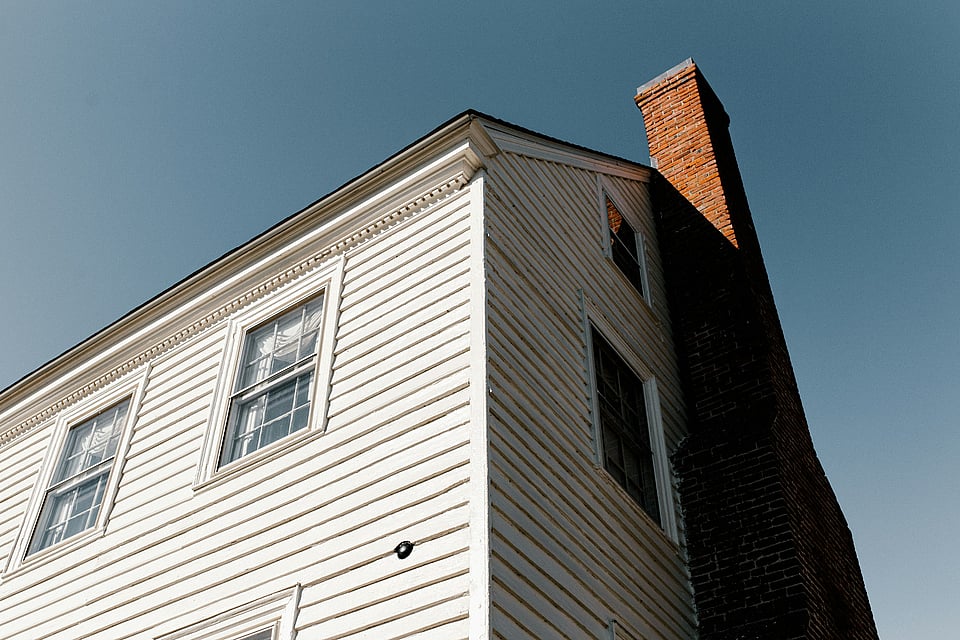
Many chimneys fail to meet minimum height requirements. Learn what the 3-2-10 rule means and how to make sure your chimney is up to code.
Read More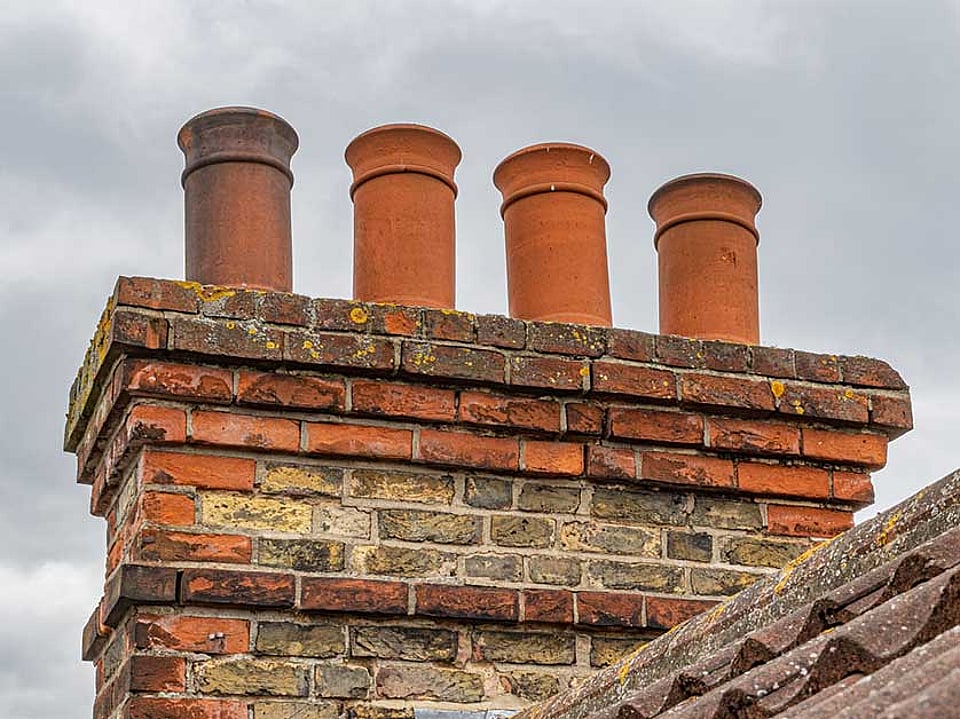
Learn about chimney pots, their purpose, types and maintenance — and how they keep fireplaces burning efficiently.
Read More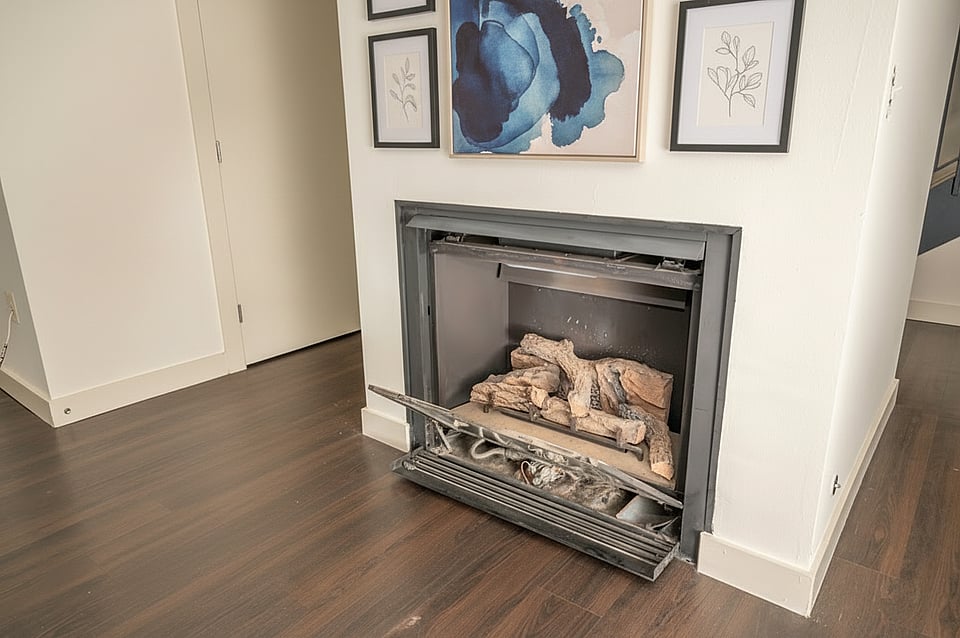
Strange odors, no pilot light, hazy glass or hissing noises — know the warning signs to keep your gas fireplace safe.
Read More
Don't wait for a chimney emergency. Book your professional sweeping and inspection with our CSIA certified team. We serve Albany, Schenectady, Saratoga Springs, Clifton Park, Amsterdam, and Balston Spa.
All of our services ensure a safer working fireplace system - book your inspection, repair, or rebuild today.