The Chimney Doctors NY Logo
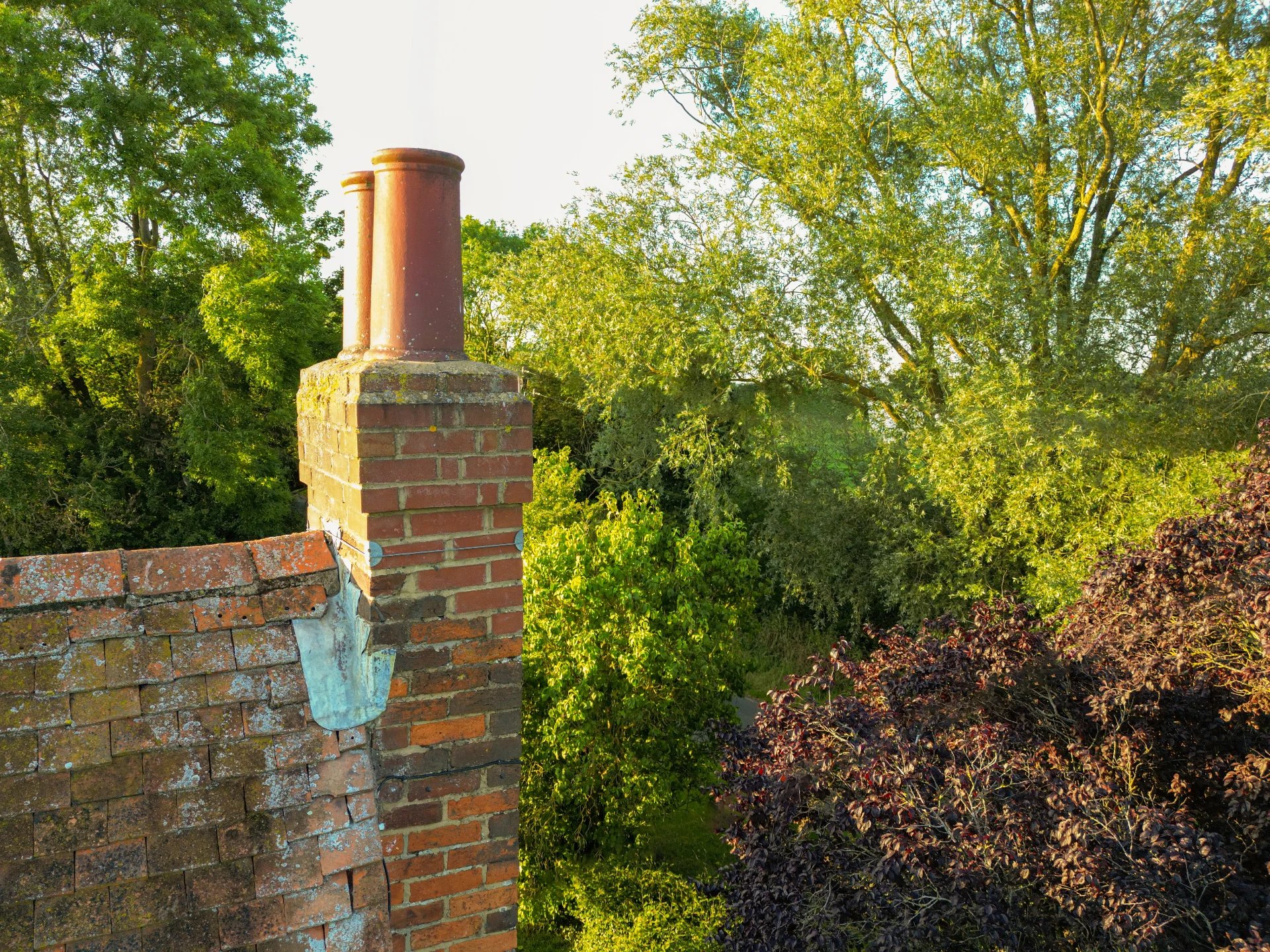
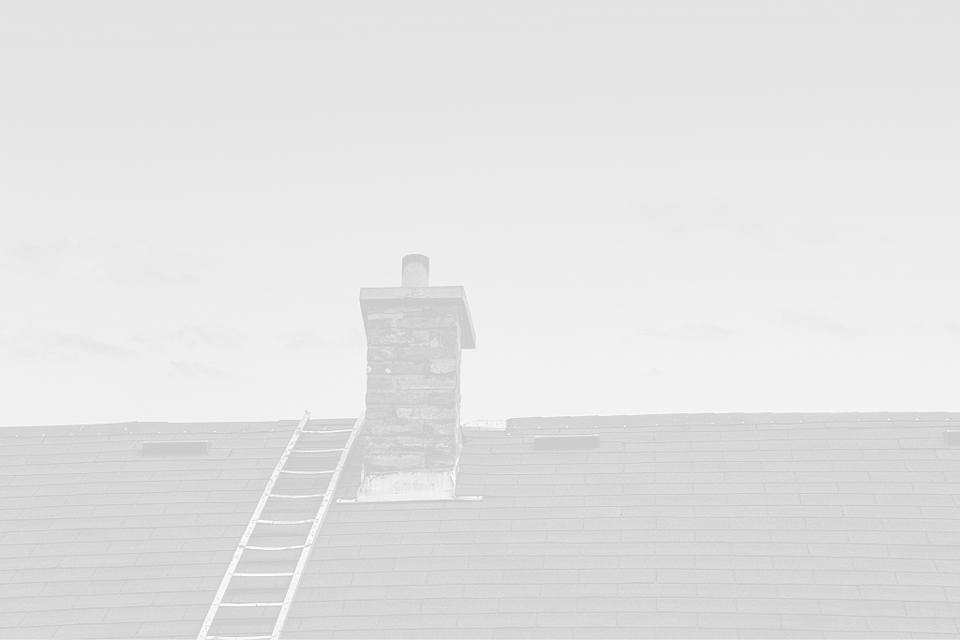
Adobe Stock image of a masonry chimney that needs repair work.

Chimney Repair

Reliable Chimney Repair Services for the Capital District, Albany, Saratoga & More

Our CSIA-certified chimney experts specialize in structural repairs, masonry work, chimney leak repairs, relining services, and complete chimney restoration. We serve Schenectady, Clifton Park, Amsterdam, Balston Spa, and beyond.

CSIA Master Sweep Certified

Firefighter-Owned & Operated

Warrior Horse Supporter

Serving the Capital District

What Chimney Repair Services Do We Offer?

From minor mortar repairs to complete structural rebuilds, our CSIA-certified team handles every type of chimney repair under one roof.

Whether your chimney needs targeted tuckpointing, a new crown, fresh flashing, or a full relining, Chimney Doctors delivers expert craftsmanship backed by firefighter-grade safety standards. Every repair is performed in-house by our own technicians and masons - no subcontractors, no guesswork, just durable repairs that meet CSIA standards and local building codes.
Chimney Relining
Firebox Restoration
Chimney Leak Fixes
Chimney Waterproofing
Chimney Rebuilds
Contact Us
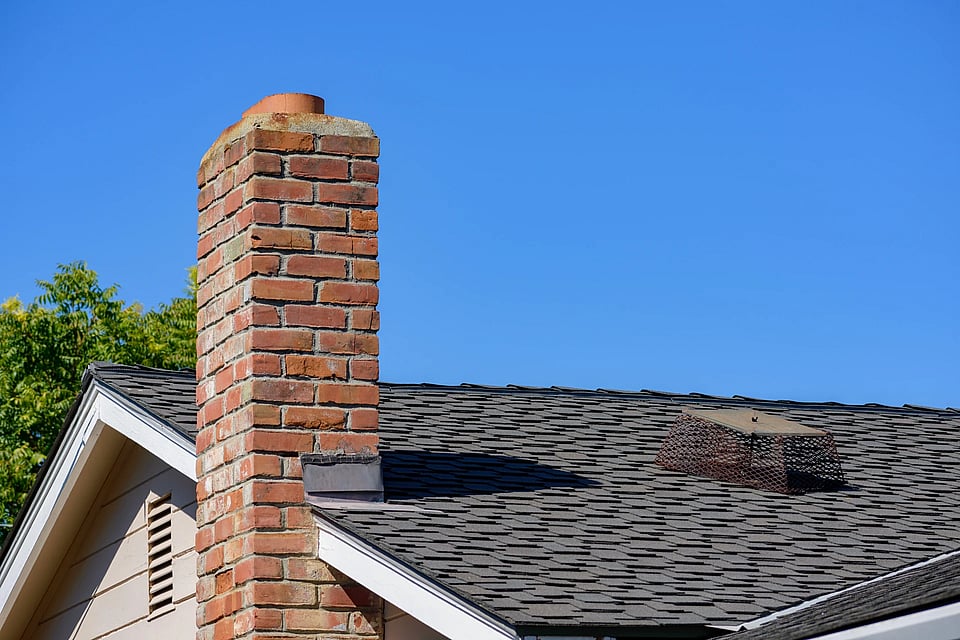
Adobe Stock image of a chimney that needs repairs, new flashing, and a chimney cap.

What Are Common Signs of Chimney Damage?

Ignored chimney damage doesn't stay small. Here's what to watch for before a minor issue becomes a major repair.

When spalling bricks, cracked crowns, or deteriorating mortar first appear, they might look like minor cosmetic flaws. However, these are clear signs of water intrusion and structural stress. Left unaddressed, moisture freezes and expands inside your masonry, accelerating decay and turning a simple mortar pointing job into a full rebuild.

Spalling or flaking bricks

Pieces of brick breaking off or surface layers peeling away indicate trapped moisture and freeze-thaw damage.

Cracked or crumbling chimney crown

Visible cracks at the top of the chimney allow water to seep into the masonry and accelerate deterioration.

Deteriorating mortar joints

Gaps, soft spots, or missing mortar between bricks weaken the entire structure and need prompt tuckpointing.

Rust or damaged flashing

Rust stains, lifting metal, or visible gaps where the chimney meets the roof are clear signs of water intrusion.

White staining (efflorescence)

Chalky white deposits on the exterior brick reveal that moisture is moving through the masonry and depositing minerals.
Contact Us
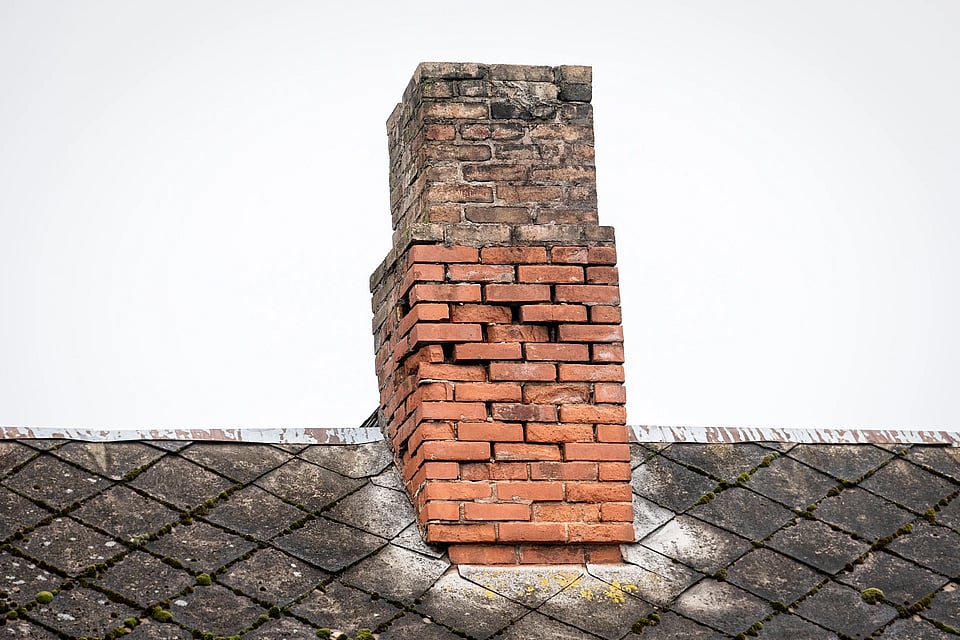
Adobe Stock image of a broken down masonry chimney that needs repair work.

25+

Years serving the Capital District

A+

BBB rating - maintained since founding

CSIA

Master Chimney Sweep Certified

1999

Family-owned ever since our founding

Common Questions About Chimney Repairs

Everything you need to know about your upcoming repair.

How do I know if my chimney needs repairs vs. a full rebuild?

The difference usually comes down to whether the damage is surface-level or structural. During our video inspection, we'll show you exactly what's going on inside and outside the chimney and recommend the most practical solution. Here are the general indicators we look for:

  • Targeted repairs are usually sufficient when damage is limited to mortar joints, isolated spalling bricks, a cracked crown, or worn flashing.
  • A partial rebuild may be needed when several courses of brick above the roofline have deteriorated but the lower structure is sound.
  • A full rebuild is typically required when the internal flue, foundation, or supporting masonry has been compromised by long-term water intrusion or settling.

A Level 2 video inspection (which we include as part of our assessment) allows us to identify hidden damage inside the flue that isn't visible from the outside, so nothing gets missed. Most homeowners are surprised to learn that what looks like a major problem can often be fixed with targeted repairs rather than a complete overhaul - and we'll always recommend the least invasive option.

What type of chimney leak repairs do you offer?

Water is the single biggest threat to the long-term health of your chimney, and leaks can originate from several different areas. We specialize in diagnosing and repairing all types of chimney leaks, including:

  • Chimney crown repair: The crown is the cement slab that seals the top of the chimney structure. Cracks allow water to seep directly into the masonry.
  • Flashing repair or replacement: Flashing is the metal seal where your chimney meets the roofline. Gaps, rust, or improper installation are among the most common sources of water entry.
  • Mortar joint repointing: Over time, mortar between bricks erodes and cracks, creating entry points for water.
  • Chimney cap or chase cover replacement: A missing or damaged cap allows rain, snow, and debris to fall directly into the flue.
  • Waterproofing treatment: Once leak sources are repaired, we apply a vapor-permeable waterproofing sealant to the exterior masonry to prevent future water absorption without trapping moisture inside.
  • Interior damage assessment: If water has already penetrated, we inspect and address any resulting damage to the flue liner, smoke chamber, firebox, or damper.

Why are stainless steel chimney liners recommended?

Stainless steel chimney liners are widely considered the gold standard for chimney lining systems, and for good reason. Whether you're replacing a deteriorated clay tile liner or installing a liner in a previously unlined chimney, stainless steel offers a range of safety, performance, and longevity advantages:

  • Superior corrosion resistance: The byproducts of combustion are highly corrosive. Stainless steel is designed to withstand these chemicals over the long term, whereas clay tile liners can crack and deteriorate under the same conditions.
  • Improved draft and efficiency: A properly sized stainless liner creates a consistent, well-defined flue path that promotes efficient draft.
  • Reduced creosote accumulation: The smooth interior surface of a stainless liner discourages creosote from adhering to the walls, lowering the risk of dangerous chimney fires - and making annual cleaning faster and more effective.
  • Versatility across fuel types: Stainless steel liners can be used with wood-burning fireplaces, gas inserts, oil furnaces, pellet stoves, and more. We match the liner grade and diameter to your specific appliance.
  • Code compliance: Most local building codes and NFPA 211 standards require a properly installed liner for new appliances and liner replacements. Stainless steel liners meet or exceed these requirements.
  • Long service life: A quality stainless steel liner, properly installed and maintained, can last 20 years or more - often outlasting the appliance it serves.

We install flexible and rigid stainless steel liner systems and can advise you on the right option based on the configuration of your chimney and the type of heating appliance you use.

Can I waterproof my chimney myself?

While it may be tempting to treat chimney waterproofing as a straightforward DIY project, we strongly advise against it. Chimneys require a very specific type of waterproofing that differs fundamentally from standard masonry or exterior sealants. Here's why professional application matters:

  • Vapor permeability is essential: Brick and mortar naturally contain moisture. A chimney waterproofing product must be vapor-permeable - meaning it allows trapped moisture to escape outward while preventing new water from entering. Standard hardware-store sealants are typically film-forming and non-permeable, which traps moisture inside. This leads to freeze-thaw damage, accelerated spalling, and potentially serious structural deterioration.
  • Surface preparation is critical: Before any waterproofing product is applied, the masonry must be clean, dry, and free of existing sealants, efflorescence, and biological growth. Skipping this step renders the treatment far less effective and can cause adhesion problems.
  • Underlying issues must be addressed first: Waterproofing is not a substitute for repairing cracked mortar joints, damaged crowns, or faulty flashing. Applying a sealant over existing damage simply delays the inevitable - and often makes future repairs more difficult and expensive.
  • Improper application can void warranties: Some chimney manufacturers and liner installers specify approved waterproofing methods. Using an incompatible product can void coverage on recently installed components.

Our waterproofing service includes a full inspection, any necessary repairs, thorough surface preparation, and professional application of a vapor-permeable sealant, giving you long-lasting protection done right the first time.

What are chimney caps and what do they do?

Chimney caps are one of the most cost-effective protective accessories you can add to your chimney system. Installed at the top of the flue opening, they serve multiple important functions that protect both the chimney and your home:

  • Water protection: Rain and snow falling directly into an uncapped flue saturate the liner and masonry, leading to rust, mortar deterioration, and freeze-thaw damage over time. A chimney cap deflects precipitation while still allowing exhaust gases to escape freely.
  • Animal and pest exclusion: Birds, squirrels, raccoons, and other animals are attracted to the warmth of an open chimney flue. Once inside, they can build nests that block the flue, create fire hazards, and introduce parasites. A properly fitted cap with a mesh screen prevents entry entirely.
  • Debris prevention: Leaves, twigs, and other debris can accumulate inside an uncapped flue and restrict airflow, causing smoke to back up into your home. Caps keep the flue clear between uses.
  • Spark arrestor function: The mesh screen on most caps catches burning embers before they can escape the flue and land on the roof or surrounding landscape, reducing the risk of roof fires or grass fires during use.
  • Draft improvement: Certain cap designs can help stabilize draft by reducing the effect of wind downdrafts that push smoke back into the home.
  • Extended chimney lifespan: By keeping water, animals, and debris out of the flue, a chimney cap helps preserve your liner, smoke chamber, and firebox - reducing the frequency and cost of repairs over the long run.

Can I use a chimney that doesn't have a liner?

No. A chimney liner is not optional - it's a critical safety and performance component of any functioning chimney system. Here's a closer look at why liners matter and what to expect:

  • It's required by code. Modern building codes and NFPA 211 standards require a properly sized and intact liner for most heating appliances. Operating without a functioning liner may affect your homeowner's insurance coverage.
  • It protects your masonry. Without a liner, combustion gases come into direct contact with your chimney's brick and mortar. This causes rapid deterioration from the inside out, eventually compromising the structural integrity of the chimney.
  • It helps prevent carbon monoxide intrusion. A cracked or missing liner can allow carbon monoxide and other combustion gases to seep through the chimney walls and into living spaces.
  • It reduces creosote buildup. A properly sized liner creates the right draft conditions for complete combustion, which minimizes the production and accumulation of creosote.
  • It improves heating efficiency. An appropriately sized liner ensures that your appliance drafts correctly, maximizing heat output and fuel efficiency.

If you're unsure whether your existing liner is intact or properly sized for your appliance, our video inspection will give you a definitive answer. We'll assess the condition of the liner from top to bottom and let you know whether a repair or replacement is the right course of action.

What Our Customers Say

Trusted by 100+ families in the Capital District
Carol Kapechuk

3 weeks ago

They relined my chimney when the tile liner failed, repointed and re-flashed my chimneys, and replaced the weather caps. They are my first call every fall for annual sweeps. The guys are respectful, have done a thorough job, and take care to clean up after themselves.

Christian Coyne

1 month ago

They didn't try to upsell us or scare us, just laid out their professional recommendation: a full upgrade would be the safest route. They were incredibly kind, respectful, and thorough.

Jane Cebula

2 months ago

All I can say is the project was completed on time, no mess inside, everything was cleaned up, and no disruptions. They were very thorough and corrected all issues discovered once they started tearing out the old liners. I can highly recommend Chimney Doctors.

Christian Coyne

3 months ago

They didn't try to upsell us or scare us, just laid out their professional recommendation: a full upgrade would be the safest route. They were incredibly kind, respectful, and thorough.

Carol Kapechuk

3 months ago

They relined my chimney when the tile liner failed, repointed and re-flashed my chimneys, and replaced the weather caps. They are my first call every fall for annual sweeps. The guys are respectful, have done a thorough job, and take care to clean up after themselves.

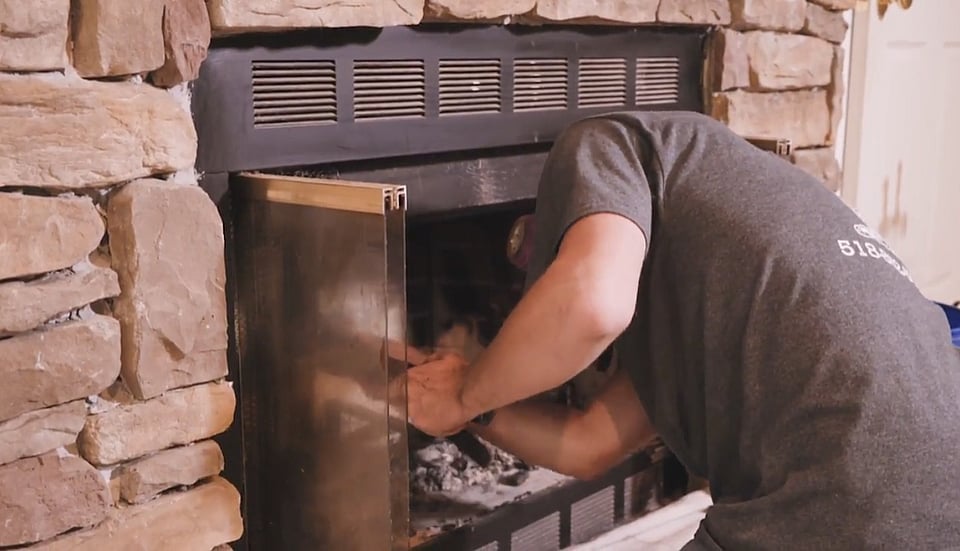
Fireplace cleaning and service by Chimney Doctors professionals

Why Homeowners Trust Chimney Doctors

We have over 25 years of expertise, hold the industry's top credentials, and maintain high values with a team that treats your home like their own.

CSIA Master Sweep Certified

Tom Giroux holds the industry's highest certification – fewer than 1% of sweeps nationwide achieve this level.

Firefighter-Owned

Every inspection follows the same rigor and safety standards that Tom applied on the job as a firefighter.

Full Masonry Team

We handle major structural rebuilds in-house. No subcontractors, no referrals, no gaps.

Video Inspections

See exactly what we see. We walk you through every finding so you understand what needs attention and why.

A+ BBB Rated

Recognized and highly rated by the Better Business Bureau, for our consistent, honest service.
Certified. Credentialed. Committed.

CSIA Certified Chimney Sweep certification logo

CSIA

Certified Chimney Sweep

CSIA Master Chimney Sweep certification logo

CSIA MASTER

Chimney Sweep

NCSG National Chimney Sweep Guild member logo

NCSG

Member

New York State Chimney Sweep Guild logo

NYSCSG

President & Members

Proudly Serving the Capital District

Chimney Doctors serves communities throughout the Capital District and towns surrounding. If you're not sure if we travel to your area, give us a call.

We proudly serve Albany, Saratoga Springs, Schenectady, Troy, Clifton Park, Ballston Spa, Glens Falls, Amsterdam, Gloversville, Johnstown, and surrounding Capital District communities.

Request an Estimate

From the Experts

Practical guidance to help you make informed decisions about your home.
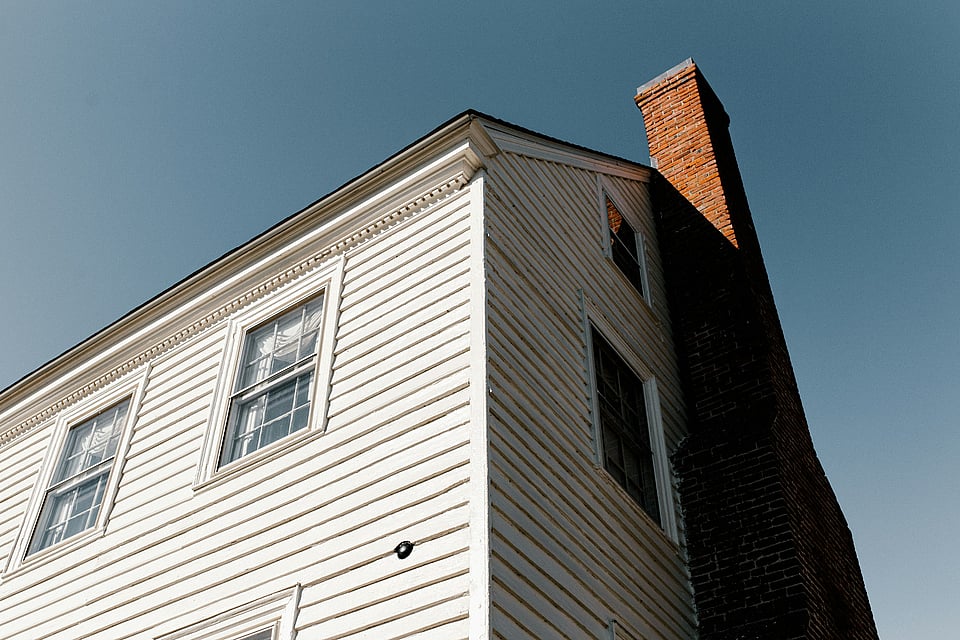
House exterior with masonry chimney

The 3-2-10 Rule: Keeping Your Chimney Up to Code

Many chimneys fail to meet minimum height requirements. Learn what the 3-2-10 rule means and how to make sure your chimney is up to code.

Read More
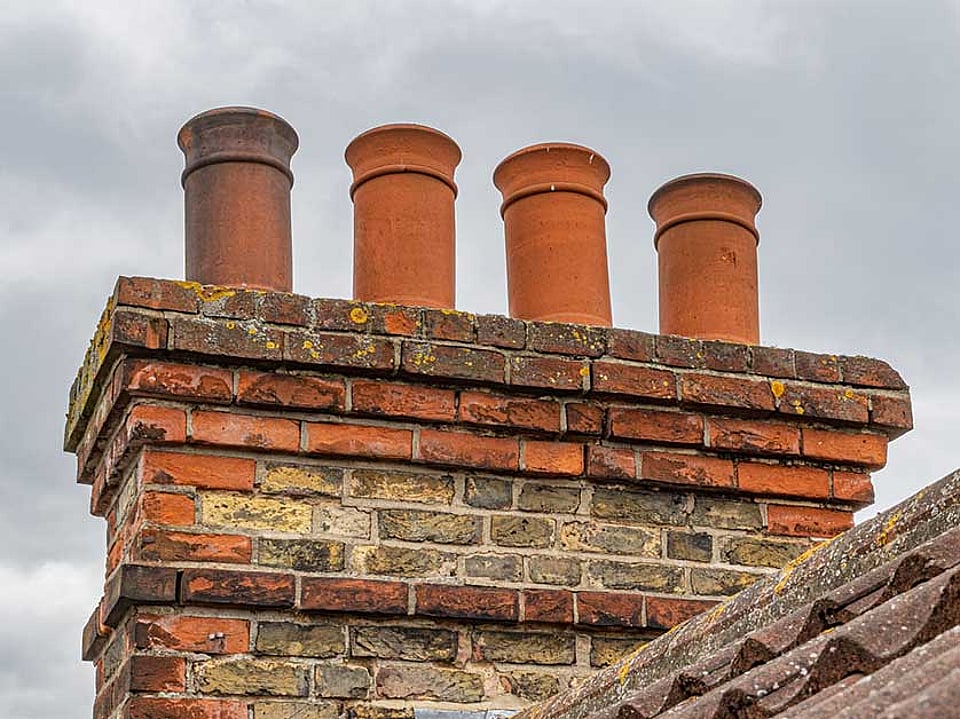
Chimney pots on a masonry chimney

A Quick Guide to Chimney Pots

Learn about chimney pots, their purpose, types and maintenance — and how they keep fireplaces burning efficiently.

Read More
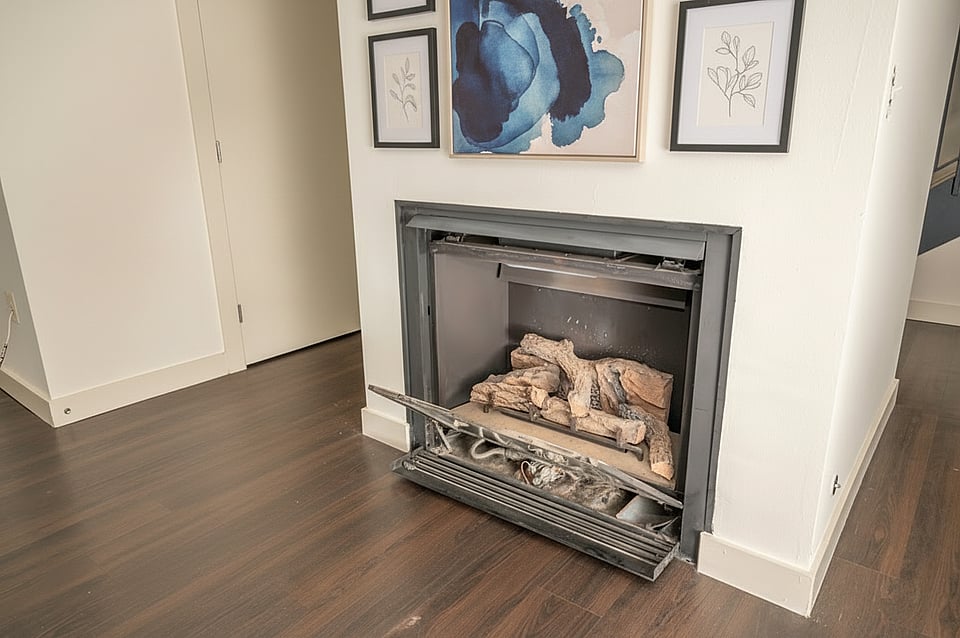
Gas fireplace open for repairs

Common Gas Fireplace Issues

Strange odors, no pilot light, hazy glass or hissing noises — know the warning signs to keep your gas fireplace safe.

Read More
Ready to Schedule Your Next Repair?

Ready to ensure your chimney is functioning as safely as possible for the season ahead? Don't wait for minor issues to become major problems. Contact us today for an inspection and estimate, and let our certified experts provide the reliable, high-quality chimney repair services you deserve.

We have qualified masons on our team, ensuring we can handle any chimney services you need.